
Align and Thrive
Mastering Posture and Body Mechanics for Everyday Wellness
The Hidden Power of Proper Alignment
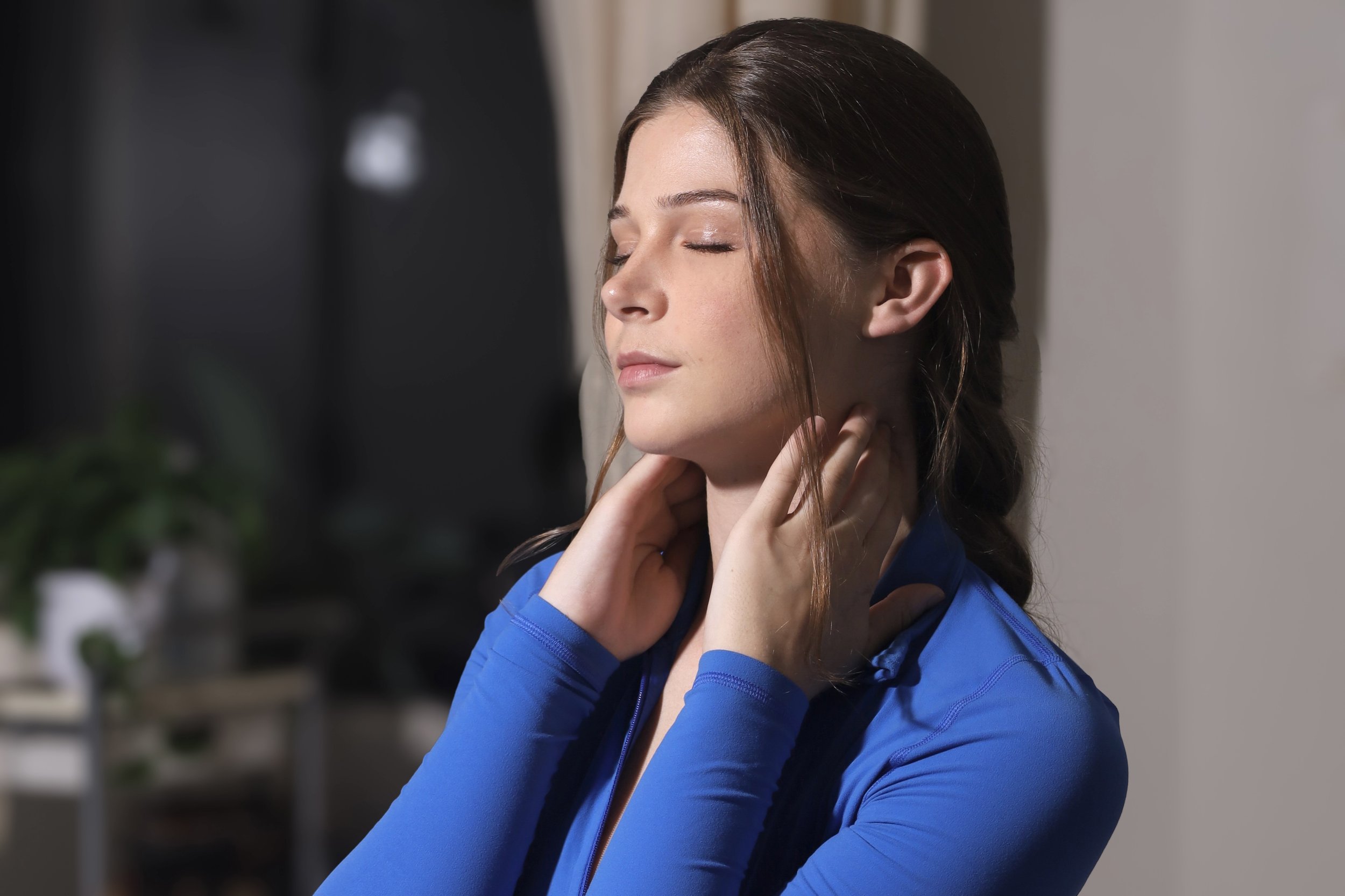
In an era dominated by screens and sedentary lifestyles, poor posture has become a silent epidemic, contributing to a host of physical ailments that affect millions. Slouching over devices or maintaining awkward positions during work can lead to chronic pain, reduced mobility, and even long-term health issues like spinal degeneration. Yet, the good news is that targeted interventions through physical therapy can restore balance, teaching the body to move efficiently and safely. By addressing asymmetries and imbalances, postural restoration and body mechanics training not only alleviate discomfort but also empower individuals to prevent injuries, enhance energy levels, and improve overall quality of life—turning everyday movements into opportunities for strength and resilience.
Understanding the Impact of Postural Imbalances
Postural imbalances often arise from habitual patterns, such as forward head posture or uneven weight distribution, which strain muscles, joints, and connective tissues over time. These issues manifest as chronic back, neck, or shoulder pain, muscle tightness, recurring joint injuries, and fatigue during routine activities like lifting or bending. Research highlights how such asymmetries disrupt normal biomechanics, leading to dysfunction; for instance, a PMC study examined how postural alignment influences athletic performance, noting that imbalances can impair efficiency and increase injury risk. Similarly, forward head position—common in desk workers—exacerbates neck strain and can contribute to headaches or reduced range of motion. Recognizing these patterns early allows for corrective strategies that promote symmetry and prevent escalation into more severe conditions.
The Essentials of Postural Restoration and Body Mechanics
Postural restoration involves identifying and correcting misalignments in the body's structure to reduce pain and improve function, while body mechanics focuses on efficient movement techniques to minimize stress during daily tasks. Together, they form a comprehensive framework for rehabilitation. Techniques often include assessments to pinpoint asymmetries, followed by exercises that enhance core stability and alignment. A case study on Scoliosis illustrates how postural restoration principles, applied through targeted interventions, can significantly improve spinal alignment and reduce associated pain. Breathing exercises play a key role, as proper diaphragmatic breathing supports core engagement and overall stability, helping to counteract the effects of shallow breathing patterns linked to stress or poor posture. This dual approach not only resolves immediate discomfort but builds habits for lifelong wellness.
How Physical Therapy Tackles Common Postural Challenges
Physical therapy excels in customizing programs to address specific postural challenges, starting with detailed evaluations to uncover root causes. For chronic pain from muscle imbalances, manual techniques release tight areas, while strengthening exercises rebuild support structures. Functional training simulates daily activities, ensuring safe lifting, bending, or twisting to avoid injury. Evidence from a PMC study on rotator cuff tendinopathy demonstrates how postural restoration exercises improve range of motion and decrease pain by enhancing core and pelvic stability. Ergonomic education further equips individuals with practical adjustments, like optimizing workstation setups to combat "tech neck." Another investigation into muscle activation patterns found that postural-focused interventions lead to better neuromuscular control, reducing fatigue and enhancing performance. These methods empower patients to integrate healthy habits, preventing recurrence and promoting independence.
The Long-Term Benefits of Investing in Posture and Mechanics
Embracing postural restoration and body mechanics yields far-reaching benefits, from pain reduction to improved athletic performance and daily efficiency. Corrected alignment enhances breathing and circulation, boosting energy and reducing fatigue. Long-term, it lowers the risk of degenerative conditions, as balanced mechanics distribute stress evenly across the body. A systematic review underscores how these therapies improve quality of life by addressing asymmetries that contribute to chronic dysfunction. For those with recurring injuries, this proactive strategy can avert costly interventions, fostering a cycle of sustained health and vitality.
At Cha Physical Therapy, our Postural Restoration & Body Mechanics program embodies this integrated philosophy, developing individualized plans to target your unique challenges. Beginning with a comprehensive assessment, we emphasize muscle balance, alignment, and healthy habits through postural correction exercises, breathing techniques for core stability, functional movement training, manual therapy for tension release, ergonomic education, and tailored strengthening routines.
We’re dedicated to getting you back to your best.
With personalized physical therapy programs and compassionate, expert care, we raise the bar for what rehabilitation can achieve.
Check your insurance
Curious if insurance will cover your sessions? We can tell you in just a few seconds.
Anthem Blue Cross Blue Shield
Blue Cross of California
Fidelis Care New York
United Healthcare AARP
United Healthcare Oxford
United Healthcare Choice Plus
United Healthcare Community Plan
Cigna
Aetna
Our Insurance
We are happy to accept most insurance plans, including:
Unfortunately, there are some insurance plans we don’t accept. If we don’t take yours, we’ll contact you ahead of your visit.




Getting Here
Our Midtown Clinic is at 16 West 32nd Street, Suite 1007, 3-5 minutes from Herald Square and a few blocks from Penn Station.
CLINIC HOURS
| Monday | 9AM - 7PM |
| Tuesday | 9AM - 7PM |
| Wednesday | 9AM - 7PM |
| Thursday | 9AM - 7PM |
| Friday | 9AM - 7PM |
| Saturday | 9AM - 3:30PM |
| Sunday | Closed |